Regeneratively raised. Humanely harvested.
Everything we raise lives outdoors. Done right, that's better for the animal, better for the ground it stands on, and better on your plate — in that order, because the last depends on the first two.
Grass fed or grain finished?
We finish on grass. The corn is a garnish.
Our cattle spend their whole lives on our pasture. They never see a feedlot. In the last two or three months we add cracked corn and a protein pellet — about 10-15 cups a day per animal — because Miniature Herefords finish too lean to eat well without it. You still get the wonderful deep beef flavor and a lean cut but its just a little easier to cook.
Two hundred pounds. A feedlot steer eats that in nine days, and stays on it for six months. Ours take 24 to 30 months to finish, roughly twice as long as conventional beef, because grass takes the time it takes.
We're not grass finished, and we don't claim to be. This is what we are instead.
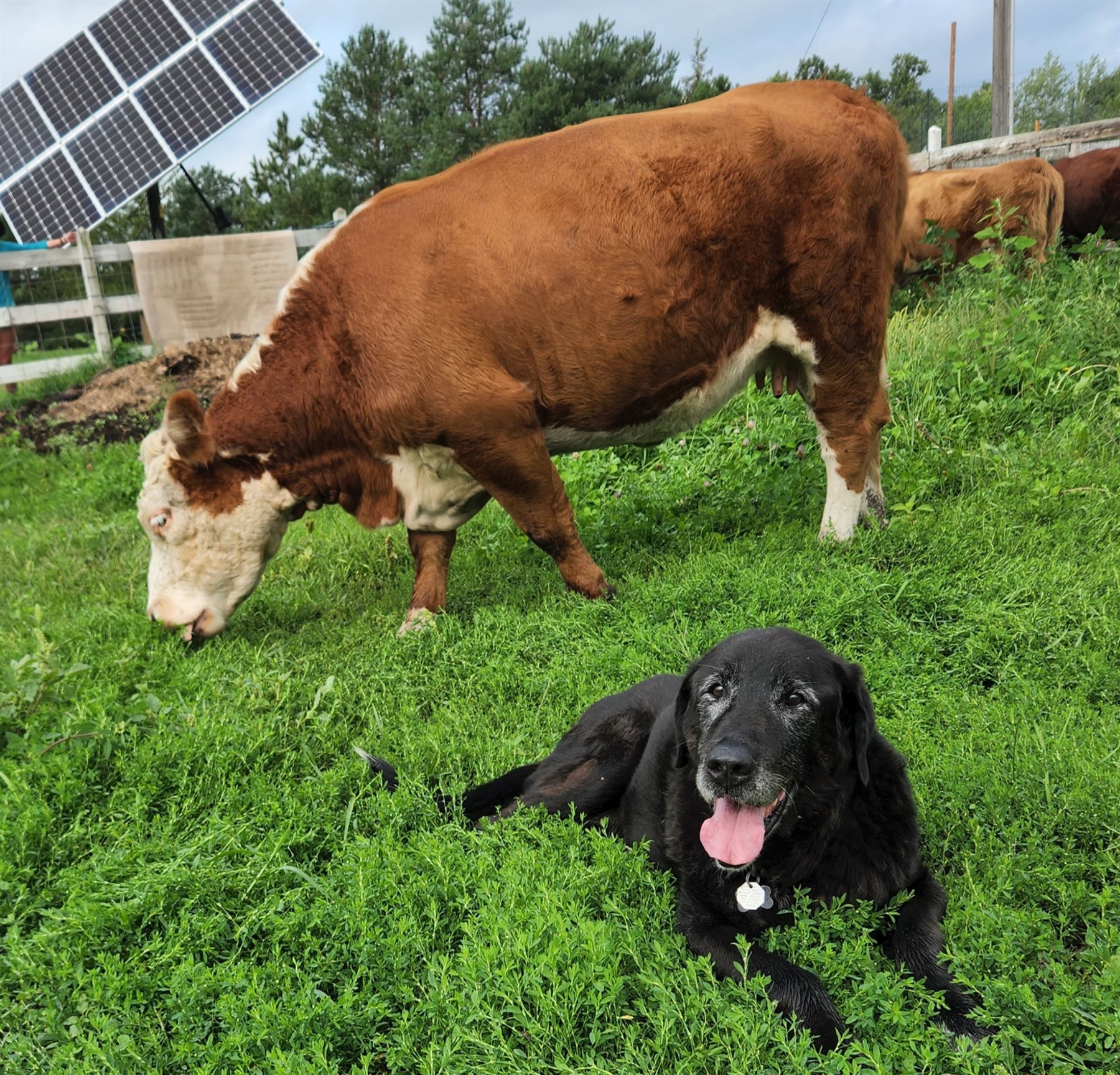
Raised on pasture
Our cattle live on pasture and eat grass, moved to fresh ground through the season. We are not a 100% grass-finished operation and we are not going to pretend otherwise — what we will tell you is exactly how any given animal was raised and fed, any time you ask.
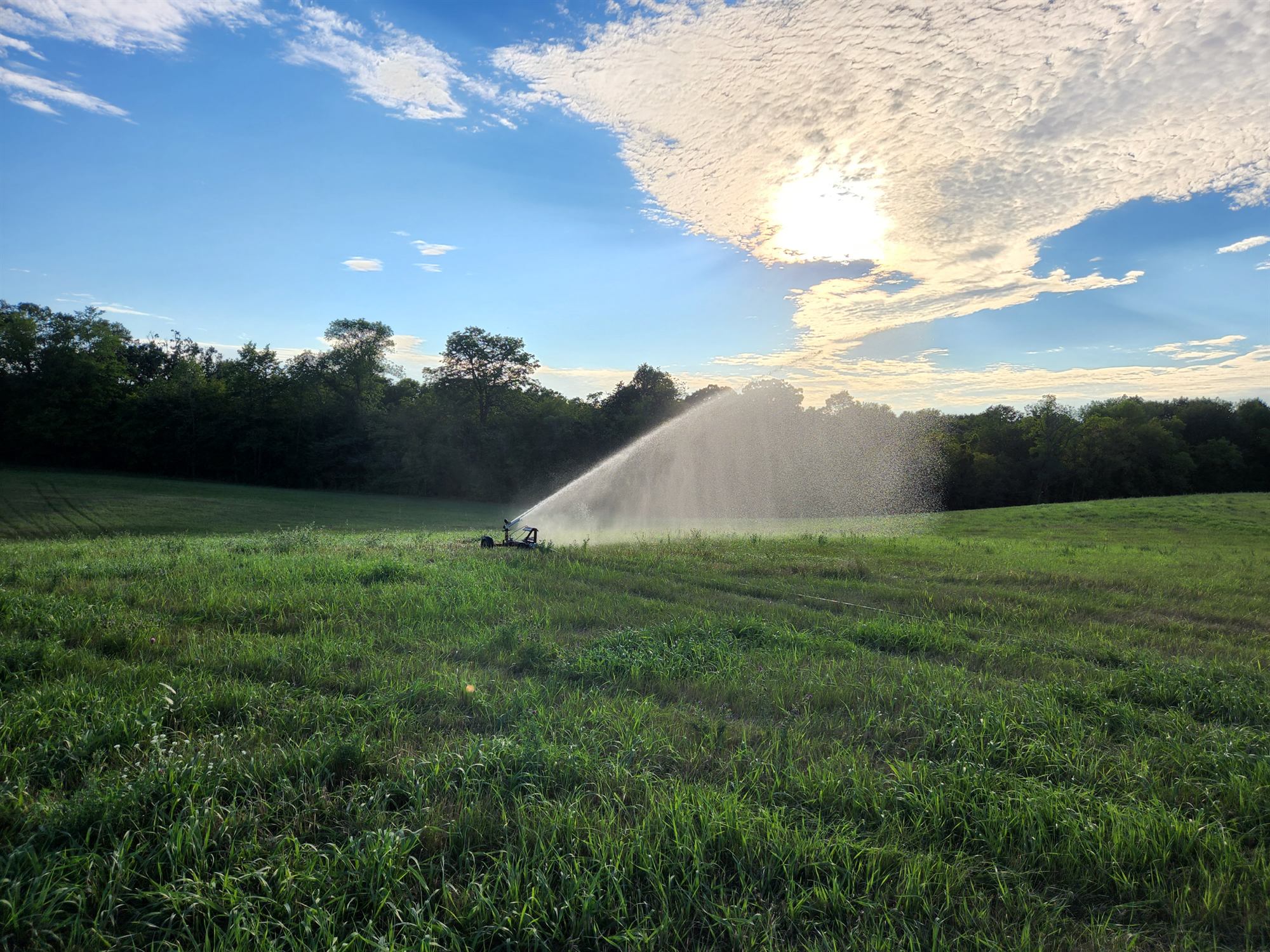
Rotational grazing
We practice rotational grazing methods. The soil stays covered, rain soaks in instead of running off, and more things live in the field every year. The ground gets better while it feeds us.
No hormones, no routine antibiotics
No growth hormones, and no antibiotics as routine practice. This isn't a marketing position — animals outdoors with space, sun and clean grass simply don't get sick the way confined ones do. Farm well and you don't need the shortcut. The only reason we ever give antibiotics is for animal welfare and its a rare occurrence.
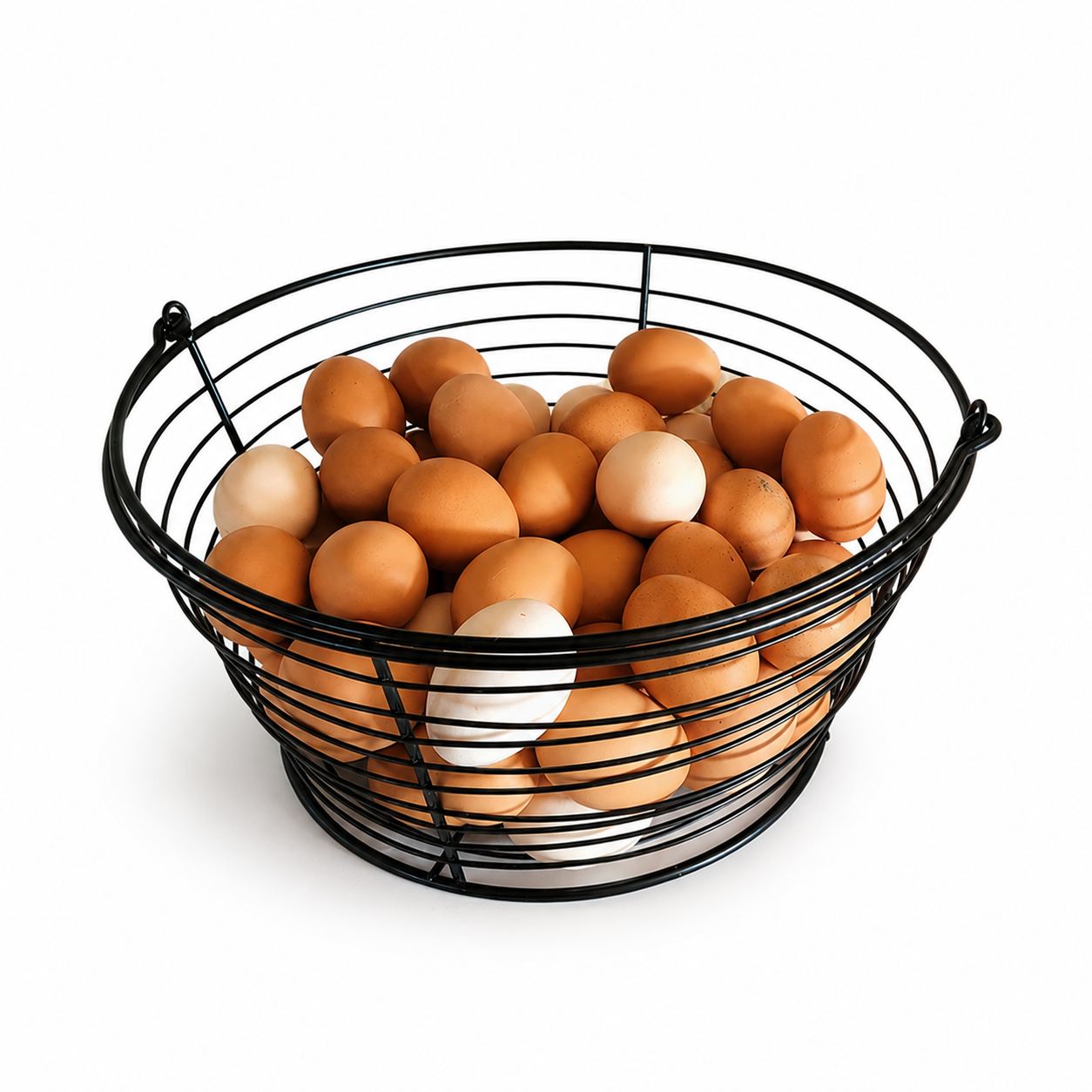
Birds outdoors, cage free
Our hens move freely, spread their wings, dust bathe, perch and forage — the way a hen lives when nobody's making her do otherwise. It's a better life for the bird, and it turns up in the egg.